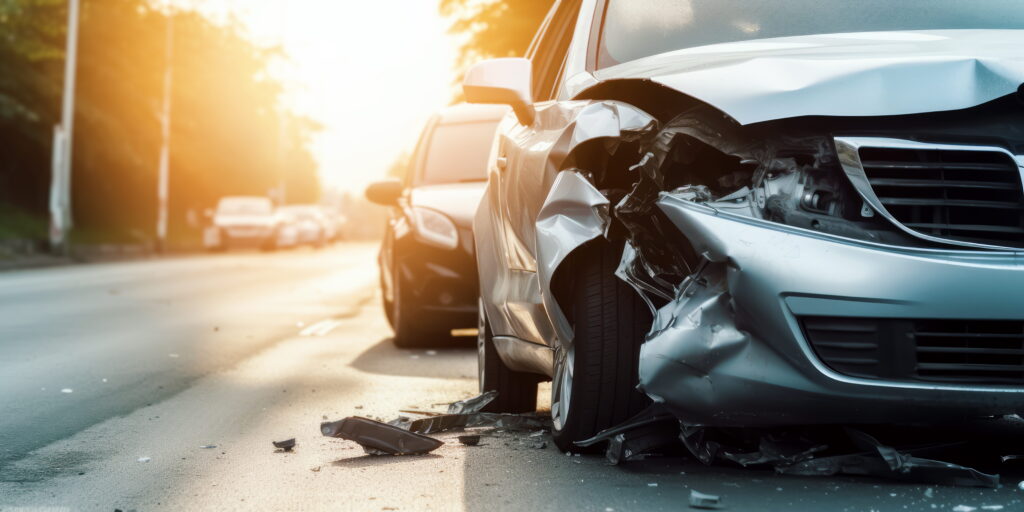
Insurance disputes often escalate after the first round of calls—especially when fault gets contested, symptoms linger (like concussion or neck pain), or the carrier starts asking for “more proof.” One of the most time-sensitive steps is protecting crash evidence that can be overwritten, erased, or “lost” in routine business operations. In Athens and across Georgia, a well-timed spoliation (preservation) letter can be the difference between arguing opinions and proving facts.
What “spoliation” means in a Georgia car accident case
Spoliation is the destruction, alteration, or loss of evidence that may be relevant to a legal claim. It can be intentional or accidental—like a business overwriting surveillance footage every 7–30 days, a towing yard auctioning a vehicle, or a body shop repairing a car before key measurements or downloads happen.
Courts can impose consequences when evidence should have been preserved. Even before a lawsuit is filed, once someone reasonably anticipates litigation, the duty to preserve relevant evidence can arise. That’s where a spoliation letter comes in: it puts specific parties on notice to preserve specific evidence.
Understanding how evidence affects liability is especially important in Georgia’s at-fault system. Learn more about understanding Georgia’s at-fault car accident system and why documentation matters.
Why EDR (“black box”) evidence matters in Georgia crash claims
Many modern vehicles contain an Event Data Recorder (EDR), sometimes called a “black box.” For crash investigation purposes, EDRs typically record technical information for a brief window around the crash—seconds, not minutes—and can include things like pre-crash dynamics, driver inputs, crash signature, and restraint/airbag status.
Examples of EDR data that can become powerful “neutral proof”
| Data type | Why it matters | Common dispute it helps resolve |
| Vehicle speed & acceleration near impact | Supports reconstruction and severity analysis | “They weren’t going that fast.” |
| Brake application / throttle status | Shows reaction and driver input timing | “They never tried to stop.” |
| Seat belt usage & airbag deployment timing | Corroborates injury mechanism and occupant protection | “They weren’t belted, so injuries are on them.” |
| Crash forces / crash signature | Useful for crash dynamics and severity | “Minor impact can’t cause these symptoms.” |
EDR data is not the same as dashcam footage. It typically does not record audio/video; it records technical vehicle and occupant information around the event. When insurers dispute speed, braking, or severity, EDR downloads can play a major role in proving fault after a car accident.
What a strong spoliation letter should request (and who should get it)
A preservation letter works best when it is specific (what evidence), targeted (who controls it), and fast (sent before routine deletion/repairs). In a Georgia car accident, that often means sending letters to several different recipients—not just the other driver.
Common recipients in Athens-area crashes
Insurance carriers (all involved)
Request claim file preservation, recorded statements, photos, adjuster notes, and any third-party investigation materials.
Tow yards / storage lots
Demand that the vehicle not be destroyed, auctioned, or released without notice and opportunity to inspect/download data.
Body shops / repair facilities
Ask them to pause repairs that could alter crush damage measurements and electronic modules, and preserve replaced parts.
Businesses / properties near the crash
Request preservation of any exterior cameras that may show the collision, traffic lights, or vehicle movement.
For EDR specifically, the letter usually asks that the vehicle and relevant electronic modules be preserved and that no downloads, resets, or repairs occur without notice. The goal is to prevent accidental loss and to create a clear record that preservation was requested.
Step-by-step: what to do this week to protect black box, video, and phone evidence
1) Stop the “evidence clock” immediately
If your car is in a tow yard or repair shop, ask—in writing—where it is stored and whether it is scheduled for total-loss processing, salvage, or auction. These timelines can move fast.
2) Don’t assume the police report captures everything
A report can be helpful, but it may not include video sources, module data, or updated medical information. Preservation efforts fill those gaps.
3) Document injuries and symptoms consistently
For lingering concussion symptoms, headaches, neck pain, numbness, or sleep disruption: keep a simple daily log. In many claims, the insurer’s real argument becomes “there’s not enough medical proof,” not just fault. You can also review how much pain and suffering is for a car accident to understand how documentation affects value.
4) Preserve your phone evidence the right way
Save original photos/videos you took, and avoid editing or “cleaning up” metadata. Screenshot ride-share receipts, navigation routes, and any messages about the crash. If you suspect phone usage will be an issue in the case, speak with counsel before making changes to device settings.
5) Have counsel send tailored spoliation letters (not a template)
The stronger the letter, the better the chance of cooperation—and the clearer the record if evidence disappears anyway.
Deadlines: evidence can vanish long before Georgia’s 2-year filing limit
Many people hear “you have two years” and feel time is on their side. Georgia’s general statute of limitations for personal injury is indeed two years from when the claim accrues.
But crucial proof—vehicle data, surveillance footage, commercial records, witness memory—can degrade in days or weeks. That’s why preservation planning should happen as soon as a claim becomes complicated, not months later.
Athens, Georgia a local angle: where preservation issues commonly arise
Athens crashes often involve a mix of student traffic, commuters, and delivery vehicles—plus busy corridors where nearby businesses may have cameras that overwrite quickly. Add in towing/repair logistics, and it’s easy for a vehicle to move locations multiple times in the first week. A focused plan helps answer practical questions fast:
Where is the vehicle right now? (tow yard vs. body shop vs. insurer lot)
Who has legal control? (owner, lienholder, insurer, employer)
What can be overwritten soon? (business video systems, vehicle telematics logs, app data)
Who should receive a preservation notice? (often multiple parties)
If you’re unsure who has the vehicle or who can authorize an EDR download, that’s a common sign it’s time to get help quickly.
Talk with Hall & Collins about preserving EDR and crash evidence
If insurers are questioning fault, your symptoms aren’t resolving, or you’re worried video/vehicle data may be lost, a quick legal consult can help you lock down evidence and reduce surprises later.
Get a Free Consultation | What to Expect When You Hire Us
Prefer to research first? Learn about contingency fees (no fee unless you win).
Frequently Asked Questions
Often, yes—but access can depend on the vehicle make/model, where the car is stored, and whether the insurer has taken possession for a total loss. Timing matters because the car may be moved, repaired, or salvaged quickly.
Typically no. EDRs are generally described as devices that record technical vehicle/occupant information around a crash event—not video/audio.
As soon as it’s clear the claim may be disputed or evidence is at risk—often within days. Video systems can overwrite, vehicles can be repaired, and storage yards may move toward auction.
Not automatically. But documented preservation demands can support requests for court remedies when evidence is destroyed after notice. The best approach is to preserve what you can and create a paper trail early.
Generally, yes—Georgia’s personal injury limitations period is two years under O.C.G.A. § 9-3-33, with exceptions in certain situations.
Delayed symptoms are common. Get evaluated, follow treatment recommendations, and keep consistent documentation. At the same time, preserve crash evidence early—those two tracks (medical proof + liability proof) work together.
Glossary
Spoliation: The destruction, loss, or alteration of evidence that may be relevant to a legal claim.
Spoliation (Preservation) Letter: A written notice requesting that specific evidence be preserved and not destroyed, altered, overwritten, or erased.
EDR (Event Data Recorder): A device in many vehicles that records technical vehicle/occupant information for a brief period around a crash event.
Contingency Fee: A fee arrangement where attorneys’ fees are paid only if the case is successful, rather than upfront.
Disclaimer: This content is for general informational purposes and is not legal advice. Every case is different, and evidence preservation steps should be tailored to the facts.
Learn more about our Athens Car Accident practice | Meet our team
