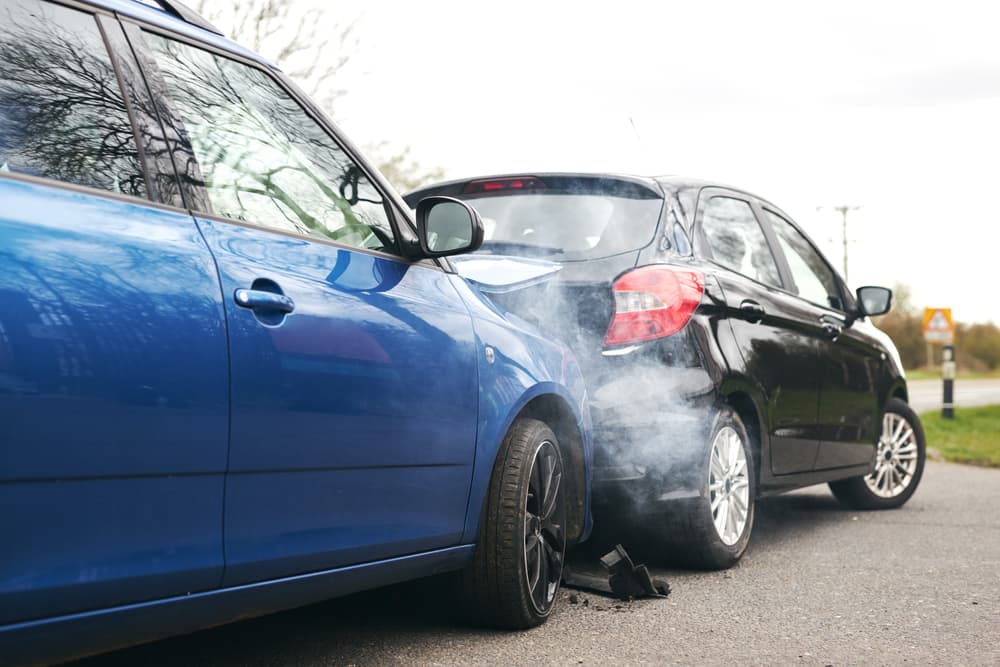
Rear-end collisions are among the most common crashes in Athens and across Georgia. Most people hear the same thing right away: “The back driver is always at fault.” There’s a reason that idea sticks—Georgia law requires drivers to follow at a reasonable and prudent distance, and the facts in many rear-end crashes fit that rule.
Still, “usually” is not the same as “always.” If your claim has gotten more complicated weeks after the crash—fault is being questioned, symptoms like neck pain or concussion are lingering, and the insurer is minimizing injuries—understanding how Georgia’s rear-end fault presumption works (and how it can be rebutted) can help protect the value of your case.
A note from Hall & Collins Injury & Accident Lawyers
We represent injured people in Athens, Georgia, and we regularly see rear-end cases become “disputed” after the initial claim is opened. When that happens, the outcome often turns on documentation, timelines, and preserving evidence early—not on who sounds more convincing on the phone.
If you want to understand what a strong claim should include, you can review what happens at a consultation here: What to expect at your free initial consultation.
1) Why Georgia rear-end crashes start with a “fault presumption”
The core idea is simple: the following driver must leave enough room to react to traffic changes. Georgia’s “following too closely” rule says a driver must not follow another vehicle “more closely than is reasonable and prudent,” considering speed, traffic, and roadway conditions.
Because rear-end impacts often happen when someone is tailgating, distracted, or failing to brake in time, insurance adjusters typically begin with an assumption that the rear driver caused the crash. That assumption can be helpful when you were hit from behind—but it can also become a tool insurers use to argue you “contributed” to the wreck or that your injuries “don’t match” the impact.
2) When the front driver may share fault (or the rear driver may not be 100% responsible)
The “rear driver is at fault” idea breaks down when there’s credible evidence that something else caused (or significantly contributed to) the impact. In real claims, disputes usually come from these fact patterns:
Sudden, unnecessary braking
A sudden stop can be legitimate (traffic, debris, pedestrian), but an unnecessary “brake check” can create a fault dispute—especially if there’s video, witness statements, or inconsistent stories.
Unsafe lane change or cut-in
If another vehicle merges into your lane abruptly and the crash happens immediately after, insurers may treat it as a “rear-end,” but the timeline may show it was really an unsafe merge.
Defective or missing brake lights
If brake lights were out, the rear driver may argue they had inadequate warning—particularly at night or in heavy rain.
Chain-reaction collisions
Multi-car crashes often involve multiple impact points and multiple at-fault arguments. The “last car” isn’t automatically responsible for every impact.
3) Georgia’s comparative negligence rule: why “partial fault” matters
Even if the other driver caused the rear-end collision, insurers may argue you were partly at fault (speed changes, braking, lights, lane position) to reduce what they have to pay.
Under Georgia’s comparative fault law, a person generally cannot recover damages if they are found to be 50% or more responsible. If they are less than 50% responsible, damages can be reduced by their percentage of fault.
That’s why disputed rear-end claims often become evidence battles: small fault percentages can translate to big money differences, especially when medical treatment extends beyond the first few weeks.
| Finding | What it can mean for your claim (in plain English) | Why insurers push it |
| 0% at fault | Other driver should be responsible for the full value of your damages (subject to coverage, proof, and defenses). | Harder for them to discount the claim on liability grounds. |
| 10–40% at fault | Your recovery may be reduced by that percentage. | Creates leverage to settle cheaper and question your credibility. |
| 50%+ at fault | You may be barred from recovering damages. | This is the insurer’s strongest liability defense posture. |
4) Evidence that can disappear quickly in rear-end cases
When a claim gets complicated weeks later, it’s often because key proof was never collected—or was collected too late. Here are common evidence sources that become harder to obtain over time:
Traffic and business surveillance video
Many systems overwrite footage in days or weeks. If fault is disputed, video can be the difference between “presumed fault” and proof.
Vehicle “black box” (EDR) data
Many vehicles have Event Data Recorders (EDRs) that capture technical data for a brief period around a crash—such as speed, braking inputs, and restraint status—useful when stories conflict.
Crash reports and diagrams
Georgia crash reports are commonly obtained through the state’s crash reporting system (often via BuyCrash/Georgia DOT processes). The narrative, diagram, unit numbers, and cited violations can shape the insurer’s liability position.
5) “Did you know?” quick facts that affect claim value
Georgia time limit matters
Many personal injury claims in Georgia are subject to a two-year statute of limitations.
“Minimal damage” isn’t a medical diagnosis
Insurers often argue that a low-property-damage rear-end crash cannot cause significant injury. Medical documentation and symptom timelines are what typically answer that—not bumper photos alone.
Fault arguments often change after treatment begins
It’s common for liability to be “accepted” early, then quietly re-litigated when the adjuster sees ongoing care, specialist referrals, missed work, or a surgery recommendation.
6) Step-by-step: how to protect a Georgia rear-end claim (especially weeks later)
If the crash is already behind you but the claim is getting harder, focus on what you can still control:
Step 1: Pin down the timeline (symptoms, care, missed work)
Write a clear timeline from day-of-crash to today: headache/neck/back symptoms, ER/urgent care visits, PT, imaging, work restrictions, and flare-ups. Consistency matters when insurers claim your injuries are “unrelated.”
Step 2: Secure the crash report and check it for errors
The report often sets the tone for fault discussions. Georgia crash reports are commonly requested through the Georgia DOT crash reporting process.
Step 3: Identify video sources immediately
Note nearby businesses, intersections, and home cameras along your route. Even if you don’t have access yourself, identifying sources early can prevent automatic deletion.
Step 4: Don’t “fill in gaps” in recorded statements
If an adjuster asks for specifics you don’t know (speed, exact distance, timing), it’s safer to say you don’t know than to guess. Estimates can be used later to argue inconsistency.
Step 5: Treat medical care like evidence
Follow-up care, specialist referrals, and diagnostic imaging can either strengthen a claim (when consistent and well-documented) or weaken it (when sporadic or contradictory). If concussion symptoms or neck pain persist, document it and discuss it with your provider.
7) Local Athens angle: where rear-end collisions and evidence disputes often show up
Athens drivers see rear-end crashes in the same kinds of places: congested corridors, stop-and-go traffic, and busy turn lanes. From a claim perspective, those locations often have two important features:
Higher chance of “cut-in” or multi-car chain reactions
When traffic compresses near lights and intersections, adjusters may argue a third driver caused the crash. Getting witness names and any available video is especially valuable in these scenarios.
More cameras—more opportunity, but shorter retention
Retail corridors and apartment areas may have cameras, but retention policies can be short. If your claim is disputed, identifying and requesting footage quickly can prevent a “we don’t have it anymore” dead end.
Related services
If your rear-end crash involved severe or life-changing injuries, learn more here: Athens catastrophic injury lawyer.
If the crash resulted in a fatality, this page may help your family understand next steps: Athens wrongful death lawyer.
8) When to get legal help (and what it should look like)
Rear-end claims are most likely to benefit from early legal guidance when:
- The insurer is disputing fault or claiming you “stopped short” without proof
- You’re being pushed into a quick settlement while symptoms are still evolving
- You suspect video/EDR data exists and could clarify what happened
- There’s a chain reaction crash or multiple insurers pointing fingers
At Hall & Collins Injury & Accident Lawyers, we work on a contingency-fee basis—so you don’t pay attorney’s fees unless there’s a recovery. You can read more about how fees and costs work here: Contingency fee representation.
Talk to an Athens car accident attorney
If your rear-end collision claim is being minimized or disputed, a focused review can help identify missing evidence, fault issues, and documentation gaps before they reduce case value.
Schedule a Free Consultation | Learn About Our Car Accident Practice
Prefer to learn about the firm first? Visit: About Hall & Collins or Meet our team.
FAQ: Rear-end collision claims in Georgia
No. Rear drivers are often presumed responsible because Georgia requires drivers not to follow too closely. But fault can be disputed if the front driver cut in, had non-working brake lights, stopped unreasonably, or other factors contributed.
Georgia uses comparative fault rules, and a claim can be reduced by a plaintiff’s percentage of fault. A plaintiff generally cannot recover damages if they are found 50% or more responsible. This is why preserving evidence (video, witness info, crash report accuracy) matters.
Many personal injury actions in Georgia must be brought within two years after the right of action accrues. There can be exceptions and special rules depending on the facts, so getting case-specific advice early can prevent deadline problems.
It can. Insurers may focus on vehicle photos, but injury severity is typically supported by medical evaluation, consistent symptom reporting, and treatment records over time.
Georgia crash reports are commonly obtained through the state crash reporting process and may be available for purchase through the systems Georgia DOT references (including BuyCrash options).
Glossary (plain-English)
Fault presumption
A starting assumption (often used by insurers) about who caused a crash. In rear-end collisions, the assumption frequently starts with the rear driver due to following-distance rules.
Comparative negligence (comparative fault)
A legal rule that can reduce (or bar) recovery based on each party’s percentage of fault. In Georgia, a plaintiff who is 50% or more responsible is generally barred from recovering damages.
EDR (Event Data Recorder)
A device in many vehicles that records technical information for a brief period (seconds) around a crash, such as vehicle dynamics, driver inputs, and restraint status.
Statute of limitations
A legal deadline for filing suit. Many Georgia personal injury actions have a two-year limitations period.
