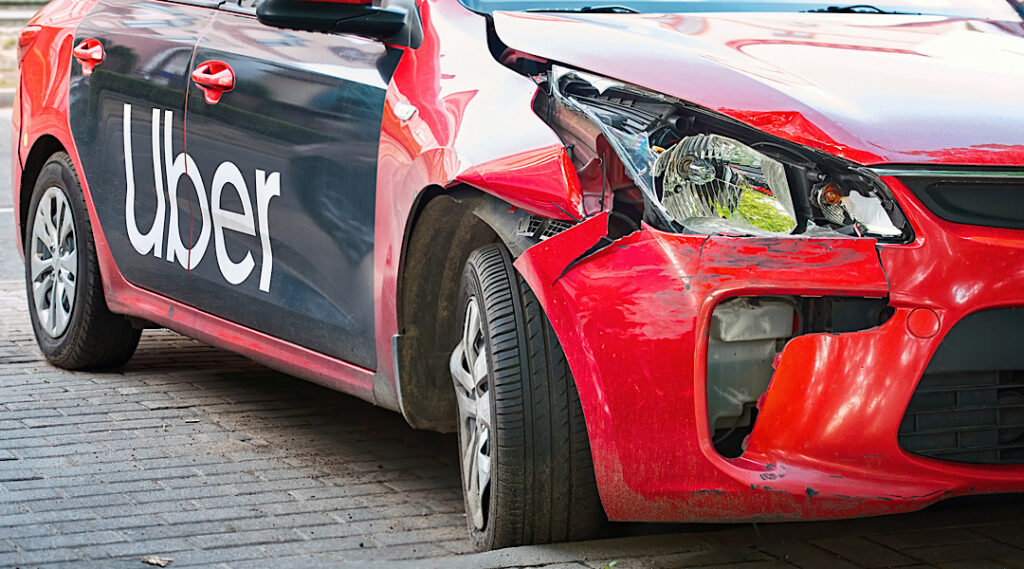
Athens drivers face “layered liability” accidents—this guide breaks down who may be responsible and what evidence matters most.
Summer traffic in Athens often includes rideshare pickups near campus, delivery vehicles on tight schedules, and government or utility fleets on the road. When a crash involves an Uber/Lyft driver, a delivery van, a contractor truck, or a government vehicle, the claim is rarely “just” a standard car wreck. Multiple insurance policies may apply, liability may be disputed, and key evidence (like app status, dashcam, 911 audio, or bodycam footage) can disappear fast. This Georgia rideshare commercial vehicle accident guide is designed to help you take the right steps early—so you protect both your health and your claim.
Why these accidents are more complicated than a typical crash
In many Athens collisions, the biggest question is fault. In rideshare and commercial claims, the bigger question often becomes: which policy pays—and in what order? A single crash might involve:
- A driver’s personal auto policy (which may exclude “driving for hire”)
- A rideshare company’s coverage (which can change by “app period”)
- A commercial auto policy for an employer (delivery, contractor, fleet)
- A government entity’s claims process (with special notice rules)
- Uninsured/underinsured motorist coverage (UM/UIM) from your own policy
Add in multiple passengers, multiple vehicles, and disputes over speed, lane use, or visibility—and it’s easy to feel overwhelmed.
Rideshare accidents in Georgia: why “app status” matters
Uber and Lyft coverage can depend on what the driver was doing at the moment of impact—often described in “periods” (online waiting, en route to pick up, or transporting a rider). The key is that coverage may increase when a trip is accepted or a passenger is in the vehicle, while the “waiting” phase may involve lower, contingent coverage. That’s why insurers may argue about timestamps, cancellations, and whether the driver had accepted a ride.
Practical takeaway
If a rideshare vehicle is involved, you want proof of the driver’s status: screenshots (if you were the passenger), trip receipts, and a prompt preservation request for app logs. Small timing details can have large financial consequences.
Commercial/delivery vehicle crashes: what changes
When the at-fault driver is working (delivery, contractor, service fleet), liability may extend beyond the driver to the company. These cases often turn on:
Employment/agency: Was the driver “on the clock” or performing a job task?
Vehicle ownership and maintenance: Who owned the vehicle and maintained brakes/tires?
Logistics pressure: Tight routes and delivery quotas can lead to rushed driving.
Evidence sources: Fleet telematics, GPS, dispatch records, and onboard cameras.
In truck-related claims, additional federal-style safety concepts may be relevant (driver hours, inspections, driver qualification files), depending on the vehicle and operation.
Government vehicles in Georgia: special rules and fast deadlines
Crashes involving city, county, or state vehicles can raise sovereign immunity issues and special notice requirements (often called “ante litem” notice). What applies depends on which government entity was involved (state agency vs. city vs. county) and what the vehicle was doing.
Don’t wait to identify the correct entity
In some situations, a claim may require written notice within a shorter window than an ordinary injury case. If you suspect a government vehicle was involved (police, transit, public works, university fleet, state agency), treat it as time-sensitive from day one.
Step-by-step: what to do after a rideshare or commercial crash
1) Get medical care and document symptoms early
Even “minor” crashes can cause concussion symptoms, neck/back injuries, or delayed pain. Early treatment protects your health and creates a timeline that insurers take seriously.
2) Call law enforcement and ask how to obtain the report
In layered-liability crashes, the police report is often the “hub” that identifies drivers, owners, and insurers. Make sure you know the report number and the agency that responded.
3) Capture the “commercial identifiers”
Take photos of DOT numbers (if present), company logos, license plates, and any unit numbers on doors or bumpers. For rideshare, capture trip details, driver profile, and any in-app messaging.
4) Preserve electronic evidence quickly
Ask witnesses for contact info. Save screenshots. If you have dashcam video, back it up immediately. For government vehicles, bodycam or dispatch records may exist, but retention policies vary—so early requests matter.
5) Be careful with recorded statements
In complex claims, adjusters may request recorded statements before you know the full extent of injuries or which policies apply. It’s reasonable to slow the process down until you understand what’s being asked and why.
6) Track every expense and “life impact”
Keep a simple file (paper or digital) with medical bills, mileage to appointments, missed work records, and notes about pain, sleep disruption, and activity limitations.
Did you know? Quick facts that affect real claims
• Georgia’s minimum required auto liability coverage is commonly described as 25/50/25—often far too low for serious injuries.
• Many rideshare disputes hinge on a narrow window of time: when the driver was waiting vs. when a ride was accepted vs. when a passenger was in the vehicle.
• In Georgia, most personal injury cases have a two-year statute of limitations, but government-related claims may involve additional notice requirements and shorter timelines.
Common responsible parties in layered Athens crashes
Depending on the facts, liability may involve one or more of these:
The driver (unsafe lane change, speeding, distraction, impairment)
The rideshare company’s applicable policy (depending on driver status and policy terms)
A delivery/employer company (vicarious liability, negligent hiring, unsafe scheduling)
A vehicle owner or maintenance provider (tires, brakes, known defects)
A manufacturer (defective parts in rare cases)
A government entity (subject to immunity rules and notice requirements)
Quick comparison table: evidence that often makes or breaks these claims
| Accident Type | High-Value Evidence to Preserve | Common Insurer Dispute |
| Rideshare (Uber/Lyft) | Trip receipt, app screenshots, digital app logs, dashcam footage, witness statements | Driver “period” status: Whether the driver was waiting for a ride, had accepted a ride, or had a passenger in the car. |
| Delivery / Commercial Vehicle | Fleet GPS/telematics data, dispatch records, driver logs (ELDs), vehicle maintenance records | Scope of employment: Whether the driver was actively working at the time, and determining who owns or insures the vehicle. |
| Government Vehicle | Official crash report, dashcam/bodycam footage, dispatch/911 audio records, internal incident reports | Legal immunities: Sovereign immunity issues and whether the strict, expedited legal notice of claim was provided on time. |
Note: Every case is fact-specific. This table is for practical planning, not a substitute for legal advice.
Local Athens angle: where these crashes often happen
Athens’ traffic patterns create predictable hotspots for complicated claims:
- Rideshare pickup/drop-off congestion near downtown and campus corridors
- Delivery vehicles stop and suddenly merge around retail corridors and apartment complexes
- Construction zones where lane shifts, flaggers, and reduced visibility increase risk
If your crash occurred near a business entrance, a work zone, or an active pickup area, camera footage may exist—but many systems overwrite quickly. Acting fast can be the difference between “we think this is what happened” and “here’s the video.”
Related resources from Hall & Collins: Athens car accident attorney, Athens construction accident lawyer, what to expect at your free initial consultation.
Talk to an Athens injury team that handles complex, multi-policy cases
Hall & Collins Injury & Accident Lawyers focuses exclusively on injury cases and works on a contingency-fee basis—so there are no upfront legal fees. If your crash involves Uber/Lyft, delivery vehicles, contractors, or a government vehicle, a quick review can help identify the right insurers, key evidence, and the next steps to protect your claim.
Get a Free Consultation | How Contingency Fees Work | Meet Our Team
Prefer to learn more first? See about Hall & Collins or review practice areas.
FAQ: Georgia rideshare and commercial vehicle accident claims
How long do I have to file a personal injury lawsuit in Georgia?
Many Georgia injury cases have a two-year statute of limitations. Special rules can apply in certain situations (including some claims involving government entities), so it’s smart to confirm deadlines early rather than assuming you have “plenty of time.”
If I was a passenger in an Uber or Lyft, whose insurance pays?
It depends on who caused the crash and what the rideshare driver’s status was. Sometimes the at-fault driver’s insurance pays first; sometimes a rideshare policy applies; sometimes multiple policies share responsibility. Preserving trip details is a key first step.
What if the rideshare driver’s personal insurance denies coverage?
Denials can occur if a policy excludes “driving for hire” or if coverage depends on app status. That’s one reason layered cases focus heavily on the time of the crash, app logs, and whether a ride was accepted or in progress.
I was hit by a delivery driver—can the company be responsible?
Potentially, yes. If the driver was working, the employer may be liable under Georgia law depending on the relationship and facts. Employer responsibility may also come up with hiring, training, or maintenance practices.
Do I need to request 911 audio or bodycam footage myself?
You can, but it’s important to do it promptly and correctly, and to understand what agency controls the records. Because retention periods vary, early preservation requests can be important in government-vehicle cases.
What compensation is usually available in complex vehicle claims?
It may include medical costs, lost income, pain and suffering, and future care needs. In catastrophic injury cases, long-term damages (rehab, home modifications, reduced earning capacity) can become a central part of the claim. If a loved one died, families may have a wrongful death claim—learn more on our Athens wrongful death lawyer page.
Glossary (plain-English definitions)
Ante litem notice: A formal notice that may be required before suing a government entity. Deadlines and requirements vary by entity.
Contingency fee: A fee structure where the attorney’s fee is paid from the recovery, and you don’t pay attorney fees unless there’s a successful result. See attorneys’ fees and costs.
Layered insurance: When multiple policies may apply (personal auto, commercial, rideshare, UM/UIM), sometimes in a specific order.
Preservation letter: A written request to keep evidence (video, app logs, dispatch records, maintenance records) from being deleted or overwritten.
Sovereign immunity: A legal doctrine that can limit when and how a government entity can be sued, often with strict procedural rules.
