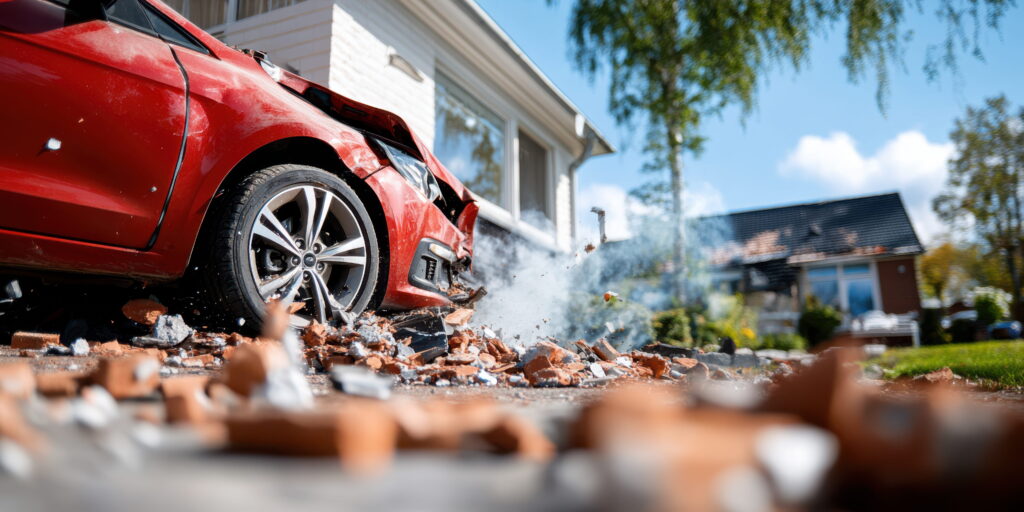
After a Georgia crash, the property damage process can turn into a second battle weeks later—when a body shop flags fitment issues, warning lights won’t clear, or an insurer pressures you to accept cheaper parts. The OEM vs aftermarket question isn’t just about cosmetics. It can affect safety, warranty coverage, repair timelines, resale value, and even how strong your overall injury claim looks when insurers start arguing that “everything is resolved.”
This guide is written for Athens-area drivers dealing with complicated claims, lingering injuries, and property damage disputes that risk dragging your settlement down.
OEM vs Aftermarket vs LKQ: what those parts labels actually mean
Repair estimates often use shorthand that makes the decision feel technical (and out of your control). Here’s the practical meaning:
| Part type | What it is | Common pros | Common risks / disputes |
| OEM | Original Equipment Manufacturer parts (factory parts) | Fit/finish consistency; designed to match crash performance for that model | Higher cost; insurers may resist unless required by policy or repair necessity |
| Aftermarket | Made by a company other than the vehicle manufacturer (often exterior panels/bumper covers) | Lower cost; sometimes quicker availability | Fitment problems; inconsistent material thickness; added labor time; disputes over quality/safety/appearance |
| LKQ / Used | “Like Kind and Quality” salvaged/used OEM part | Often OEM; can reduce cost while maintaining OEM origin | Unknown history; prior damage/repairs; paint match issues; availability varies |
| Reconditioned / Remanufactured | A used part repaired/restored for reuse | Cost savings; may be suitable for some components | Quality varies by vendor; warranty/compatibility disputes |
Note: Georgia has specific rules aimed at “aftermarket crash parts” (generally non-mechanical exterior sheet metal/plastic parts).
Georgia rules insurers must follow when they write a repair estimate using aftermarket crash parts
If an insurer’s estimate includes non-OEM aftermarket crash parts, Georgia regulations require written disclosure. In plain terms:
1) The estimate must clearly identify each aftermarket crash part.
2) The estimate must include a specific disclosure (in at least 10-point type) stating the estimate is based on aftermarket crash parts and that the warranty is from the part manufacturer/distributor—not the vehicle manufacturer.
3) An insurer can’t require you, as part of a claims settlement, to authorize the use of non-OEM aftermarket crash parts.
Just as important: Georgia’s regulation also says insurers may use aftermarket crash-part pricing to determine repair costs only if the parts would restore the vehicle to its pre-accident condition relative to quality, safety, function, and appearance.
Practical takeaway: If a shop documents that an aftermarket bumper cover doesn’t align, a headlamp mount won’t seat correctly, or sensor calibration can’t be completed without an OEM bracket, that documentation matters.
Why the OEM vs aftermarket decision can change the value of your overall claim
Many people think property damage is “separate” from injury. Insurers don’t always treat it that way. Repair disputes can become leverage points:
Delays can squeeze medical timelines
If you’re still treating for a concussion, neck pain, or low-back symptoms, extended repair delays can push you toward a “wrap it up” settlement before your prognosis is clear.
Quality disputes create fault arguments
When an insurer claims a vehicle is “fully restored,” they may also argue you’re overstating damages elsewhere. Clean documentation prevents that narrative.
Resale impact can show up as diminished value
In Georgia, diminished value is a well-known issue. The Georgia Supreme Court recognized that a vehicle can lose value even after quality repairs.
Important nuance: diminished value rules vary depending on whether you’re making a claim on your own policy (first-party) or against the at-fault driver’s insurer (third-party), and what your policy language says. If you’re unsure, it’s worth getting advice before you accept a “final” property damage settlement.
Step-by-step: how to handle a Georgia repair estimate that pushes aftermarket parts
If your claim is getting complicated weeks after the wreck, use this process to protect your options and preserve evidence.
1) Ask for the full estimate (not a summary) and look for the disclosure
Request the line-item estimate and verify whether each non-OEM aftermarket crash part is identified and whether the required disclosure is attached/on the estimate.
2) Get the body shop’s fitment concerns in writing
If the shop says, “This bumper cover won’t line up,” or “We can’t calibrate ADAS correctly,” ask for a short written note (or email) explaining why an OEM part is needed to restore quality, safety, function, and appearance.
3) Don’t confuse “they can price it with aftermarket” with “you must accept it”
Georgia’s regulation addresses pricing and disclosure, and also says an insurer may not require you—“as part of a claims settlement”—to authorize non-OEM aftermarket crash parts.
4) Keep a “repair timeline” file
Save: rental extensions, supplements, parts invoices, shop photos, alignment/certification notes, calibration reports, and any “we tried 2–3 aftermarket options” messages. These details often explain why a repair took longer than expected.
5) If fault is being questioned, be extra careful
Georgia follows a modified comparative fault rule. If you’re found 50% or more responsible, recovery can be barred. That makes early evidence preservation (photos, witness info, video requests, vehicle data) especially important when the insurer starts shifting blame.
If you’re dealing with injuries plus a parts dispute, it can help to coordinate property damage and injury documentation together so the insurer can’t cherry-pick “good news” (a repaired bumper) to minimize “bad news” (ongoing symptoms).
Athens, Georgia angle: why local drivers see these disputes so often
Athens drivers regularly deal with heavy traffic corridors and commuter patterns that can lead to rear-end collisions and multi-vehicle crashes. When the claim drags on, local realities kick in: limited rental availability during busy periods, longer shop scheduling windows, and more pressure to accept an insurer’s “standard” parts list to get back on the road.
If your insurer (or the at-fault driver’s insurer) is questioning fault, you may also be dealing with quick-moving “he said/she said” disputes—especially in lane-change crashes and left-turn scenarios. The earlier you preserve repair evidence and liability evidence, the less room there is for a late-stage lowball offer.
If your injuries are worsening weeks later (common with concussions and neck/shoulder strain), it’s worth getting a legal opinion before signing a property damage release that might affect what you can recover.
Talk with Hall & Collins about a complicated Athens crash claim
If your auto repair estimate is turning into a dispute (OEM vs aftermarket), and your injury claim is getting tougher at the same time, a quick review can help you avoid mistakes that reduce case value—like missing disappearing evidence or accepting a settlement that doesn’t reflect the full cost of the wreck.
Get a Free Consultation | What to Expect When You Hire Us | Athens Car Accident Attorney
No upfront fees for injury cases: learn how contingency fees and costs work here.
FAQ: Georgia property damage, auto repairs, and OEM vs aftermarket parts
It depends on your policy, the nature of the repair, and whether the vehicle can be restored to pre-accident condition. Georgia’s aftermarket crash parts regulation requires disclosure and limits an insurer’s ability to require you to authorize non-OEM aftermarket crash parts as part of a settlement.
Ask the shop to document the issue in writing and request a supplemental estimate. Fitment issues can directly relate to whether the repair restores quality, safety, function, and appearance, which is part of what Georgia’s regulation contemplates when insurers use aftermarket crash-part pricing.
Diminished value is fact-specific. Georgia courts have recognized that a vehicle can lose value even after proper repairs.
Yes. Georgia uses modified comparative fault. If you’re less than 50% at fault, your recovery is reduced by your percentage; if you’re 50% or more at fault, recovery can be barred.
Many people do, but complications often overlap (timelines, documentation, recorded statements, releases). If liability is disputed or injuries are lingering, a short legal review can help you avoid signing away rights or losing evidence.
This page is educational information, not legal advice. Every claim depends on its facts and coverage.
Glossary (plain-English repair and claim terms)
OEM (Original Equipment Manufacturer)
Factory parts made for your vehicle model by (or for) the vehicle manufacturer.
Aftermarket crash part
In Georgia’s regulation, a replacement non-mechanical exterior sheet metal or plastic part (outer/inner panels) made by a source other than the vehicle manufacturer.
LKQ (Like Kind and Quality)
Typically, a used (often OEM) part, the insurer says, is comparable in kind/quality to the damaged part.
Supplement (supplemental estimate)
An updated repair estimate is created after teardown or when parts don’t fit, revealing hidden damage or additional labor/parts needed.
Diminished value
The loss in resale market value because the vehicle has an accident history, even if repaired. Georgia recognized that this can exist even after proper repairs.
Modified comparative fault (Georgia’s 50% bar rule)
A legal rule that reduces recovery by your percentage of fault, and can bar recovery if you are 50% or more responsible.
Learn more about our team here, or review the firm’s background here.
