A clear, Athens-focused guide for complicated crash claims and repair disputes
After a wreck, most people expect the car to be “fixed.” What many Georgia drivers learn quickly is that the repair estimate can become its own battle—especially when an insurer proposes aftermarket (non-OEM) crash parts instead of OEM (original manufacturer) parts. The choice can affect safety features, appearance, warranty concerns, and the vehicle’s resale value. If your collision involves layered coverage—rideshare, delivery work, a government vehicle, or multiple insurers—getting the repairs handled correctly can feel overwhelming.
Below is a practical, step-by-step breakdown of how OEM vs aftermarket parts work in Georgia property damage claims, what insurers can and can’t require, and how to document your position so your claim doesn’t lose value.
OEM vs Aftermarket: what the terms really mean
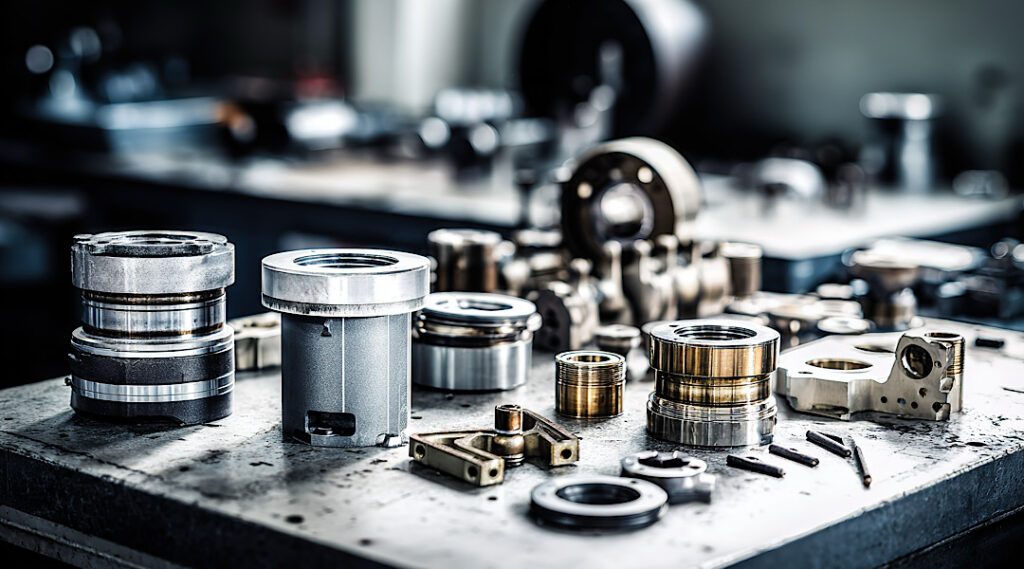
When an estimate says “OEM,” it typically means parts made by (or for) the vehicle manufacturer and sold under the manufacturer’s brand. “Aftermarket crash parts” usually refer to replacement body parts (like bumper covers, fenders, and headlamps) made by a third party, not the original manufacturer.
A third category shows up often in estimates: LKQ (“like kind and quality”), which often means recycled/used OEM parts sourced from salvage or recyclers. Each category can change how your repair looks, fits, and performs—especially with modern vehicles that rely on sensors, cameras, and calibrations.
What Georgia rules say about aftermarket crash parts
Georgia has an insurance regulation addressing aftermarket crash parts in certain auto property damage claim settlements. One important consumer protection: an insurer may not require an insured, as part of a claims settlement, to authorize the use of non-original manufacturer aftermarket crash parts. In plain terms, if you’re being asked to “sign off” on non-OEM aftermarket crash parts as a condition of settling, that demand can raise red flags under Georgia’s insurance rules.
Practical takeaway: if you see a form, estimate note, or email that suggests “you must authorize aftermarket parts to settle,” save it and ask questions immediately. The language used by adjusters and shops matters.
Why this gets trickier in rideshare, delivery, and government-vehicle crashes
Complex “summer traffic” claims in and around Athens often come with layered responsibilities:
Rideshare or delivery vehicle involved: there may be multiple insurance policies (personal + commercial/app-based), coverage disputes, or coverage “phase” arguments.
Government vehicles: there can be special notice requirements and different liability rules depending on the agency and the facts.
Evidence requests: 911 calls, dashcam footage, bodycam footage, or business delivery logs can become crucial to fault and damages.
When fault or coverage takes longer to sort out, insurers sometimes push faster repair decisions (including parts choices) to “close the file.” That’s exactly when you want your documentation and repair plan to be organized and defensible.
Step-by-step: how to protect your repair quality and claim value
1) Pick the shop you trust (and confirm they will document everything)
Start with a reputable collision repair facility and tell them upfront you want a written plan that addresses part type (OEM/aftermarket/LKQ), safety systems, and calibrations. Ask: “Will you submit supplements when hidden damage is found?” Many repairs need supplements after teardown.
2) Request the line-item estimate and decode the parts language
Get the estimate showing each part’s designation. Common markers include “OEM,” “A/M,” “aftermarket,” “LKQ,” “recycled,” “remanufactured,” or “reconditioned.” If you don’t recognize a term, ask the adjuster and the shop to define it in writing.
3) Tie your request to safety and function—not just preference
If you’re pushing for OEM parts, the strongest arguments tend to be specific: sensor integration, fitment tolerances, corrosion protection, airbag-related components, and ADAS (camera/radar) calibrations. Ask your shop to explain why the proposed part impacts safety or proper operation.
4) Keep a “claim file” the way an adjuster or lawyer would
Create a single folder (digital + paper) containing: photos, the police report, towing/storage invoices, all estimates, supplement requests, emails, and a call log with dates/times. If your crash involved a rideshare/delivery driver or government vehicle, keep every reference number and claim identifier from each insurer/agency.
5) Don’t ignore diminished value (especially with non-OEM parts)
Even well-repaired vehicles can lose market value after an accident. Repair history, structural repairs, paintwork, and replacement-part type can all influence resale. If you suspect the vehicle is worth less after the collision, discuss a diminished value claim strategy early—before you sign releases or accept quick settlements.
Did you know?
Aftermarket crash parts can be subject to recalls, and federal regulators have discussed oversight of aftermarket crash parts and safety concerns in various contexts.
Your words matter: saying “I’m fine” on a recorded call can come back later, even if pain sets in days afterward.
Calibration isn’t optional: after certain repairs, many vehicles require ADAS calibrations to restore proper safety-system function.
Quick comparison table: OEM vs aftermarket vs LKQ
| Part Type | What it usually is | Common benefits | Common concerns |
| OEM | Manufacturer-branded replacement part | Fit/finish consistency; easier matching; often preferred for complex components | Higher cost; insurers may resist without a strong justification or policy endorsement |
| Aftermarket | Third-party manufactured crash/body part | Often less expensive; may be readily available | Variable fit/finish; potential sensor/camera alignment issues; value concerns |
| LKQ / Recycled | Often used OEM part from a recycler/salvage source | Can keep repairs closer to OEM at a lower price point | Unknown wear/previous damage; matching and warranty questions |
Local Athens angle: where delays and disputes commonly start
In Athens, property damage disputes often come down to timing and paperwork. If your vehicle is in a tow yard or storage lot, daily charges can add up quickly—creating pressure to accept the first estimate. At the same time, Athens-area crashes can involve UGA traffic surges, out-of-town drivers, delivery vehicles, and multi-car pileups, which can slow down liability decisions.
A practical approach that protects you:
Confirm liability investigation timelines in writing (email is fine).
Ask the shop for teardown scheduling so supplements aren’t delayed.
Don’t sign broad releases until you’re sure both repairs and any diminished value issues have been addressed.
Talk with Hall & Collins about your repair dispute or complex accident claim
If you’re dealing with layered insurance policies (rideshare, delivery, government vehicles), pushback on OEM parts, or a settlement that feels rushed, a focused review can help you understand your options and next steps.
Request a Free Consultation | What to Expect When You Hire Us
No upfront fees for injury cases: learn more about contingency fee representation.
FAQ: OEM vs aftermarket parts in Georgia property damage claims
Can I demand OEM parts after a car accident in Georgia?
It depends on the facts, the policy language, and what is necessary for a proper, safe repair. Many disputes are resolved by documenting why a specific OEM part is needed (fitment, safety systems, calibrations) rather than framing it as a preference.
Is it legal for an insurer to force aftermarket parts?
Georgia has insurance regulations addressing aftermarket crash parts and consumer authorization. If you’re being told you “must sign” an authorization for non-OEM aftermarket crash parts to settle, that’s a point worth challenging and documenting.
Will aftermarket parts reduce my car’s value?
They can—especially if the vehicle ends up with visible fit/finish differences, a complicated repair history, or components that affect safety features. Diminished value is a separate issue from “getting it fixed,” and it’s worth addressing early.
What should I do if the shop says I must sign an “OEM request” or “parts waiver”?
Ask what the document does in plain language: does it make you financially responsible for the price difference? Does it authorize non-OEM parts? Don’t sign anything you don’t understand. Request a copy and get clarification from the adjuster in writing.
Does fault change what parts are used for property damage repairs?
Fault affects who pays and which coverage applies, but parts decisions are often driven by policy terms, repair standards, and what’s considered reasonable for the loss. In multi-policy claims (rideshare/delivery), parts disputes may take longer because coverage positions can shift.
Glossary
OEM: Original Equipment Manufacturer parts—typically sold under the vehicle maker’s brand.
Aftermarket crash part: A non-OEM replacement part (often body/exterior) made by a third party.
LKQ: “Like Kind and Quality”—commonly used to describe recycled/used parts that are intended to be comparable in function and condition.
Supplement: An additional repair request submitted after teardown reveals hidden damage not included in the initial estimate.
ADAS calibration: A process to restore proper operation of driver-assist systems (cameras, radar, lane-keep, automatic braking) after repairs.
Diminished value: The reduction in a vehicle’s market value after an accident, even if it has been repaired.
Related resources: Athens Car Accident Attorney, Practice Areas, and Meet Our Team.
