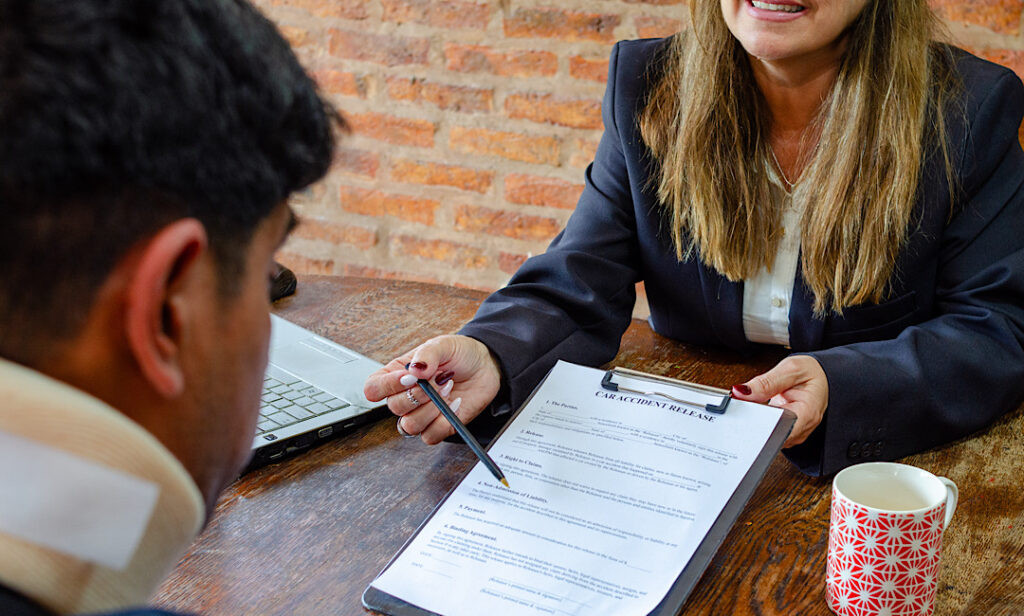
After a crash in Athens, the first few days matter. Evidence disappears, memories shift, and insurance adjusters start building a file—sometimes before you’ve even read the police report. This guide breaks down the records that usually make or break an Athens car accident claim, how to request them, and the common pitfalls that can quietly reduce compensation under Georgia's fault rules.
Quick orientation: “Evidence” is more than photos
In an Athens-area crash, evidence typically falls into four buckets: (1) scene proof (photos, video, debris patterns), (2) records (police report, medical bills, wage documentation), (3) people (witness statements), and (4) digital data (vehicle “black box,” phone metadata, surveillance footage). You don’t need all of it—but you do need the right pieces to prove fault and damages.
Two goals your evidence should support:
1) Liability: Who caused the crash (and why)?
2) Damages: What did it cost you—physically, financially, and emotionally?
Why this matters in Georgia: fault can reduce (or bar) recovery
Georgia uses a modified comparative fault framework that can reduce your recovery by your percentage of fault, and can bar recovery if you’re found 50% or more at fault. That’s why “small” details (speed estimates, lane position, who had the light, whether there was an evasive maneuver) can become major issues later. The more objective evidence you preserve early, the less room there is for blame-shifting.
| Issue | What insurers often argue | Evidence that can help |
| Intersection collision | “You ran the light / changed lanes / didn’t yield.” | Independent witnesses, nearby business video, signal timing context, vehicle damage angles |
| Rear-end crash | “You stopped suddenly” or “no real injury.” | Photos, braking/impact data, prompt medical documentation, treatment timeline |
| Pedestrian/bike vs. car | “They darted out / were distracted.” | Crosswalk location shots, lighting conditions, witness statements, injury pattern and impact points |
| “Sudden emergency” defense | “They had no time to react—someone/something forced it.” | Scene photos showing sightlines, distances, skid marks, and third-party involvement evidence |
Practical takeaway: treat your claim file like a timeline. Every record should anchor a date, a fact, or a cost.
Did you know? (Fast facts that surprise people)
Police reports aren’t always available immediately.
For UGA Police reports, copies are typically available from their records division within about three business days, and crash reports may also be available through third-party portals used by agencies.
Your car may contain “black box” data.
Many vehicles store Event Data Recorder (EDR) information (speed, braking, throttle). That data can be overwritten or lost after towing/repairs, so preservation requests matter early.
Traffic camera footage isn’t guaranteed.
Even in busy corridors, not every intersection records video, and private businesses often auto-delete recordings quickly—sometimes in days.
The Athens crash records checklist (with “where to look”)
Use this as a practical records guide. Not every item applies to every crash, but gathering what you can—early—reduces disputes.
1) Georgia crash report (police report)
The crash report can include involved party info, road conditions, diagrams, citations, and an initial narrative. It’s not the final word on fault, but it’s a foundational record insurers will rely on.
Where to start in Athens:
• If the crash involved UGA Police, report copies are requested through their Records Division and are commonly available within a few business days.
• Many Georgia crash reports are purchased through commonly used third-party systems (often used by agencies for public retrieval).
• If you’re unsure which agency responded (ACCPD, UGA PD, Sheriff, or State Patrol), ask the responding agency directly and confirm the report number.
Tip: When you request the report, keep a screenshot or receipt confirming the request date—this helps if an insurer later claims you “waited too long” to get documentation.
2) Photos & video (scene, vehicles, injuries)
If you can safely do so, capture wide shots (intersection and approach lanes), then medium shots (each car position), then close-ups (impact points, tire marks, debris, airbags, seatbelt marks, visible bruising). Turn on location metadata if possible, and back everything up to cloud storage the same day.
3) Witness information (and a short statement)
A neutral witness can change a case. If a bystander is willing, ask for: full name, phone, email, and where they were standing/parked. If they share a sentence on what they saw, write it down immediately (date/time). If they took pictures, ask them to text or email them to you right then.
4) Medical records that show a timeline (not just a diagnosis)
Insurance disputes often focus on timing: “Were you hurt by this crash, or something else?” Protect yourself by keeping: ER/urgent care notes, imaging reports (X-ray/CT/MRI), referral notes, physical therapy attendance, prescriptions, and a symptom journal (sleep changes, headaches, driving anxiety, missed events).
5) Wage loss and work-impact records
Create a folder for: pay stubs, tax forms (if self-employed), time-off requests, employer verification letters, and proof of missed classes or clinical hours (for students). Document not only days missed, but also reduced duties, lost tips/commission, and missed overtime.
6) Vehicle damage, towing, and repair documentation
Keep: two invoices, storage fees, repair estimates, supplements, total-loss valuation paperwork, rental car receipts, and photos taken before any repair. These documents can also support crash severity when injuries are questioned.
7) Digital evidence: dashcams, surveillance, and EDR (“black box”)
This category is time-sensitive. Dashcam cards get overwritten. Many businesses auto-delete security footage. Vehicle EDR data can be lost after battery disconnects, repairs, or salvage processing.
Best practice: Send a written preservation request to any business that may have footage and to any party controlling a vehicle that may store EDR data (including your own insurer/tow yard/repair shop if needed). If you’re represented, your attorney can coordinate formal preservation and retrieval.
Step-by-step: what to do in the first 72 hours after an Athens crash
Step 1: Lock down your timeline
Write a quick timeline while it’s fresh: where you were coming from, speed range, lane position, traffic signal state, what you saw/heard, and the immediate symptoms you felt (even if “minor”). Email it to yourself so it’s time-stamped.
Step 2: Request the crash report (and verify the agency)
In Athens, crashes can involve Athens-Clarke County Police, UGA Police, the Sheriff’s Office, or Georgia State Patrol, depending on where and how the crash happened. Confirm which agency wrote the report and obtain the report number before you assume where it will be posted.
Step 3: Get medical documentation that connects the dots
Gaps in care can be used against you. If you’re hurt, follow up as directed, keep appointments, and keep all visit summaries. If symptoms change (neck pain becomes headaches; anxiety appears when driving), note it and tell your provider so it’s recorded.
Step 4: Be careful with recorded statements
Insurance calls can feel routine, but statements can be edited into “admissions” later (for example, guessing your speed, or saying “I’m fine” before you’ve been evaluated). It’s reasonable to provide basic facts, but avoid speculation and avoid agreeing to broad medical authorizations without understanding the scope.
Local Athens angle: springtime traffic patterns and where evidence disappears fastest
Athens traffic changes with the academic calendar, campus events, and weekend congestion. Intersections near campus, downtown corridors, and major connectors can go from calm to high-conflict quickly—especially when pedestrians, delivery drivers, and visitors overlap.
Where your evidence tends to vanish quickly in Athens:
• Business surveillance: many systems auto-overwrite in a short cycle.
• Witnesses: students and visitors leave town or change numbers.
• Vehicle evidence: once a car is repaired or totaled, critical impact details can be harder to document.
• Road conditions: temporary signage, work zones, and debris fields can change within hours.
If your crash involved a vehicle affiliated with a business or a delivery service, identify the company early—commercial policies and onboard data can become important, and timelines for preservation can be tight.
Talk with an Athens car accident attorney about preserving evidence
Hall & Collins Injury & Accident Lawyers helps injured people in Athens and across Georgia gather the right records, preserve time-sensitive evidence, and push back against insurance tactics designed to shift blame or minimize injuries.
Request a Free Consultation What to Expect at Your Consultation Learn About Contingency Fees
No upfront legal fees in most injury cases—fees are typically owed only if there’s a recovery.
FAQ: Athens car accident evidence, reports, and common defenses
How do I get my Athens-Clarke County crash report?
Start by confirming which agency responded (Athens-Clarke County Police, UGA Police, Sheriff, or State Patrol). Then request the crash report using the agency’s records process or the third-party crash report portal the agency uses. If UGA Police took the report, their records division commonly makes copies available within a few business days.
What if the police report is wrong?
Mistakes happen—wrong lane, wrong direction, missing witness, or a confusing diagram. A report can sometimes be supplemented or clarified, but even when it can’t, your claim can still be proven with stronger evidence (video, photos, vehicle damage angles, medical documentation, and witness statements). Focus on building a clean, consistent evidence timeline.
How long do businesses keep surveillance video?
It varies widely, and many systems overwrite quickly. If you believe a nearby business captured your crash, request preservation immediately. If you wait until an insurer “gets around to it,” the footage may already be gone.
Can my compensation be reduced if the insurer claims I’m partly at fault?
Yes. In Georgia, fault allocation can reduce damages, and a high enough percentage can prevent recovery. That’s why objective evidence—video, witness accounts, scene photos, and crash data—can be so important.
Should I give the insurance company a recorded statement?
Be cautious. It’s fine to report basic facts, but avoid guessing (speed, distance, “came out of nowhere”) and avoid minimizing injuries before you’ve been evaluated. If you feel pressured, you can pause and get legal guidance first.
Glossary (plain-English definitions)
Event Data Recorder (EDR)
A vehicle system that may store pre-crash and crash information, such as speed, braking, and seatbelt status. Access typically requires specialized tools and a proper legal process.
Liability
Legal responsibility for causing the crash. Evidence proving liability focuses on who violated a duty of care (traffic laws, safe driving rules).
Damages
The losses you can claim are medical expenses, lost wages, reduced earning capacity, pain and suffering, and other crash-related impacts.
Preservation letter
A written request to keep specific evidence (video footage, vehicle data, logs) from being deleted, overwritten, or destroyed.
Comparative fault
A rule that can reduce compensation based on a person’s share of fault for the crash. In Georgia, higher fault percentages can severely limit recovery.
If you’d like, Hall & Collins Injury & Accident Lawyers can help you prioritize which records matter most for your specific crash (intersection collision, rear-end, rideshare, pedestrian, or catastrophic injury) and take steps to preserve time-sensitive evidence.
Contact Our Athens Injury Team Read About Our Car Accident Practice
Related resources from Hall & Collins
About our Athens personal injury firm
Learn how we approach injury cases with client-centered advocacy and contingency-fee representation.
Explore injury claim types we handle, including catastrophic injuries and wrongful death.
See examples of outcomes we’ve pursued for injured clients across Georgia.
Attorney profile: Adam M. Collins
Learn more about attorney's background and experience.
A paralegal with 20+ years’ experience managing complex injury casework.
