When liability is complicated, the right records can change the outcome of your claim
Summer driving in Athens can mean more rideshare vehicles, delivery drivers, visitors, and higher traffic around major corridors. If your crash involves a government vehicle, a commercial driver, or a dispute about who caused what, you’ll often hear the same phrase from insurance adjusters: “We need more documentation.” That’s where evidence like 911 audio, body-worn camera (BWC) video, dispatch logs, and police reports can matter—especially when stories conflict or injuries worsen over time.
What an “open records request” is (and why it’s different from a police report)
In Georgia, many government-held records can be requested under the Georgia Open Records Act (often shortened to “open records”). This is how people typically request materials that aren’t automatically handed out at the scene—like 911 call recordings, bodycam footage, dashcam footage, dispatch notes, and certain incident records. The Attorney General’s office publishes guidance explaining how requests work, what fees may apply, and how exemptions are handled.
Key practical point: You can request records yourself, but agencies may lawfully redact or withhold portions, and they can charge for copying/production in certain situations. If an insurer is disputing fault or injuries, the way you ask (and what you ask for) can make a real difference.
What records to request after an Athens, GA crash
For layered claims (rideshare, delivery, employer vehicles, or city/county vehicles), consider building a records “bundle” rather than requesting only one item.
1) Police crash report (and any supplements)
The report is a starting point, not the finish line. Ask whether there are supplements, diagrams, witness pages, or citations tied to the incident.
2) 911 call audio (and CAD/dispatch logs)
911 audio can capture the first description of injuries, vehicle positions, a hit-and-run plate fragment, or whether a driver appeared impaired. Dispatch/CAD logs can help confirm timelines and responding units.
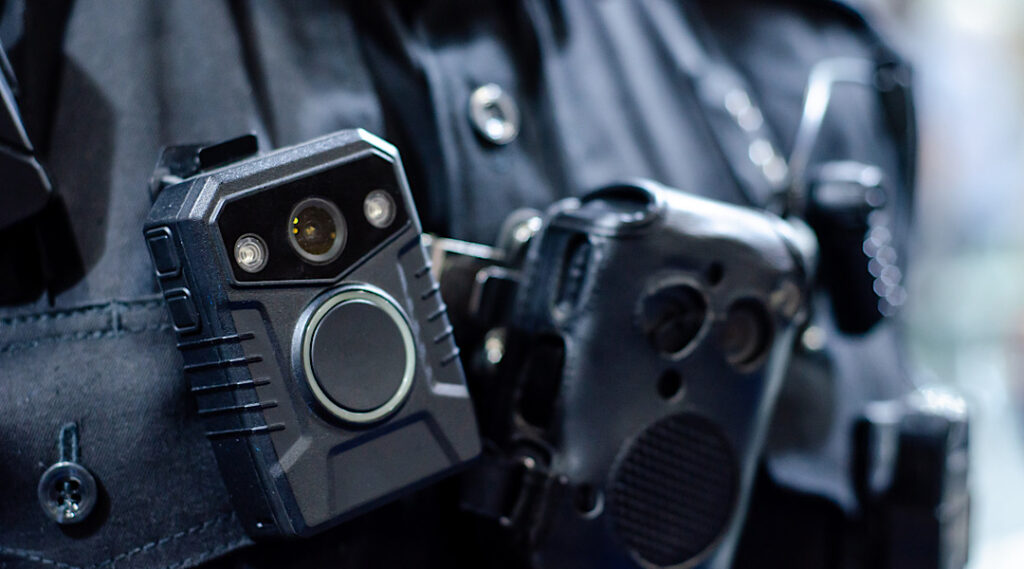
3) Body-worn camera (BWC) video & dashcam video (if any)
These videos can matter in “he said/she said” crashes: admissions at the scene, visible intoxication cues, seatbelt use, where vehicles rest, and whether anyone complained of pain before leaving.
4) Photographs, measurements, and scene documentation
Some agencies document skid marks, debris fields, or intersection conditions. If road work, signage, or lighting is an issue, ask for records that capture the scene as close to the crash time as possible.
5) For government-related crashes: incident reports, policies, and vehicle info
If a city/county vehicle or employee may be involved, you may need additional records (unit assignments, training/policy materials, maintenance logs). These requests can be sensitive and often involve exemptions or redactions.
Retention is a real risk: Some records (especially audio/video) may be retained only for a limited time depending on the agency’s schedules and the type of incident. Acting quickly can help prevent a “no longer available” response.
Step-by-step: How to make an Athens open records request for 911 or body cam
Step 1: Identify the right agency
Athens-area crashes may involve Athens-Clarke County Police, a university police department, Georgia State Patrol, or another agency. Start with the agency that wrote the report or responded to the scene.
Step 2: Gather the details agencies need
Have ready:
- Date and approximate time window (example: “between 6:10–6:45 PM”)
- Exact location/intersection
- Incident/case number (if available)
- Names of involved parties (if appropriate) and responding officer/unit (if known)
- What you want: “911 audio,” “CAD log,” “all BWC video from responding officers,” etc.
Step 3: Be precise about scope to reduce delays and costs
Broad requests (“any and all records”) can increase processing time and cost. A focused request (specific date/time, specific unit/officer, specific type of record) is more likely to move faster and produce what you actually need.
Step 4: Submit through the Athens-Clarke County open records options (when applicable)
Athens-Clarke County provides an open records request page and instructions, including an online option for certain requests. If your crash was handled by an Athens-Clarke County department, that portal or the county’s instructions are often the correct starting point.
Step 5: Expect redactions, exemptions, or a “pending investigation” response
Some parts of records may be withheld or redacted under Georgia law (for example, sensitive personal information). If the agency cites an exemption, ask for the legal basis and whether partial production is available. The Georgia Attorney General’s open government FAQ explains key principles agencies follow for exemptions and responses.
Step 6: Track deadlines for your injury claim while records are pending
Records delays do not pause the civil statute of limitations. For many Georgia personal injury cases (including many car accident injury claims), the deadline to file suit is commonly two years from the date of injury under O.C.G.A. § 9-3-33. If your claim is complex (multiple policies, government entities, catastrophic injury), it’s smart to get legal guidance early so evidence collection and case deadlines stay aligned.
Quick comparison table: Which record helps prove what?
| Record | Best for | Common pitfalls |
| Police report | Basic narrative, drivers, witnesses, citations | May be incomplete; may not capture later symptoms |
| 911 audio | Immediate injury complaints, timeline, urgency, early details | May be redacted; retention can be limited |
| CAD/dispatch logs | Exact timestamps, units dispatched, call types | May not describe injuries in detail |
| Bodycam | Admissions, visible impairment, vehicle position, demeanor | Can be withheld/redacted; may not capture key angle |
| Supplemental photos/diagrams | Scene conditions, markings, debris fields | Not always created; may be lost if not requested early |
Tip: If a rideshare or delivery driver is involved, preserve your own app screenshots (trip details, timestamps, driver info) because those won’t come from open records—they come from you and the companies involved.
Local Athens angle: where requests commonly get stuck
Multiple agencies responded
If a crash triggers city police, county services, campus police, or state patrol involvement, you may need separate requests to separate custodians of records—even if it felt like one response at the scene.
The request isn’t specific enough
“All footage from the accident” can be interpreted narrowly (one officer) or broadly (every responding unit). Add a time window, the intersection, and “all responding units/officers” if that’s what you mean.
Investigation status changes what’s released
If citations are pending or a criminal investigation is ongoing (DUI, hit-and-run, serious injury), the agency may limit what it releases until certain steps are complete.
Athens-Clarke County publishes open records information and request pathways on its official site. When your crash falls under an ACC department, that’s often the fastest way to submit and track a request.
Need help gathering 911 audio, body cam footage, and other crash evidence?
Hall & Collins Injury & Accident Lawyers helps Athens-area accident victims organize evidence, deal with layered insurance issues, and pursue full compensation—without upfront attorney’s fees in contingency-fee cases.
Prefer to prepare first? See what happens during a consultation and what to bring: What To Expect At Your Free Initial Consultation.
FAQ: Open records requests after an Athens car accident
Can I request 911 audio and bodycam footage myself in Georgia?
Often, yes—people commonly submit open records requests directly to the agency that holds the records. However, agencies may redact or withhold parts under exemptions, and fees may apply depending on the request.
How long does an open records request take in Athens-Clarke County?
Response time can vary with request scope, whether redactions are needed, and workload. Submitting through the county’s published open records process (and being specific) can help reduce back-and-forth.
What if the agency says the footage is exempt or won’t release it?
Ask for the specific exemption being relied on and whether a partial release is possible (for example, with faces, addresses, or sensitive data redacted). In some cases, timing (active investigation) affects what can be released.
Is there a deadline to file a Georgia car accident lawsuit even if I’m still waiting on records?
Yes. Waiting on records doesn’t automatically extend the statute of limitations. Many Georgia personal injury claims must be filed within two years of the injury date under O.C.G.A. § 9-3-33.
Will 911 audio or bodycam footage prove who is at fault?
Sometimes it helps, sometimes it doesn’t. The value is often in small details—who said what at the scene, what the vehicles looked like, whether there were signs of impairment, and whether witnesses were identified early.
Related resources: If your case involves a fatal collision or life-altering injuries, you can review our pages on wrongful death and catastrophic injuries.
Glossary (plain-English)
Open Records Request
A written request asking a government agency for records it maintains (audio, video, reports, logs), subject to Georgia’s open records rules and exemptions.
BWC (Body-Worn Camera)
A camera worn by an officer that may capture interactions at the scene, statements, and conditions immediately after a crash.
CAD Log (Computer-Aided Dispatch)
A dispatch record that can show timestamps, call types, unit assignments, and notes tied to the 911 event.
Redaction
When an agency removes or blurs parts of a record (like personal identifiers) before release.
Statute of Limitations
The legal deadline to file a lawsuit. For many Georgia personal injury claims, it is commonly two years from the injury date (O.C.G.A. § 9-3-33).
Meet the people behind the process: Our Team, including Adam M. Collins.
